Recurrent UTIs in Men & Women: Causes, Prevention & Expert Medical Care
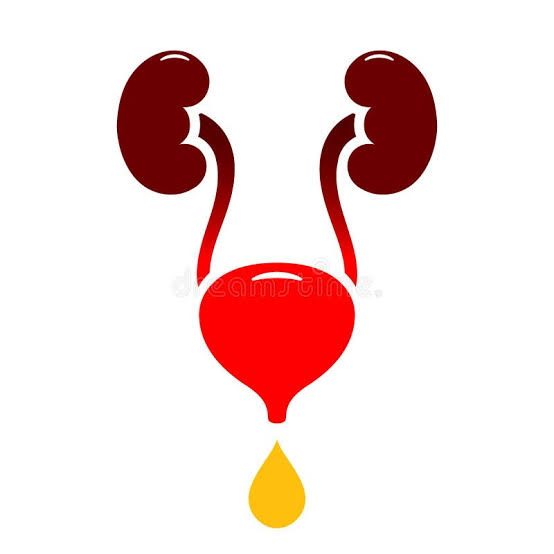
Urinary Tract Infections (UTIs) are bacterial infections that can affect any part of the urinary system, including the kidneys, ureters, bladder, and urethra. While single UTI episodes are common, recurrent UTIs (2 or more infections in 6 months) require specialized urological investigation.
Why Do Recurrent UTIs Happen?
Recurrent infections occur when bacteria (most commonly Escherichia coli) repeatedly colonize the urinary tract or when an anatomical/functional abnormality prevents complete bladder emptying.
Common Risk Factors in Women:
- Shorter Urethral Length: Allows bacteria easy access to the bladder.
- Post-Menopausal Estrogen Loss: Changes in vaginal flora lower protective barriers against harmful bacteria.
- Incomplete Bladder Emptying: Stagnant urine acts as a breeding ground for germs.
Common Risk Factors in Men:
- Prostate Enlargement (BPH): Obstructs urine flow, leading to urinary stasis and persistent infections.
- Kidney or Bladder Stones: Bacteria can hide inside stones, leading to repeated flare-ups despite antibiotic courses.
- Diabetes & High Blood Sugar: Glucose in urine encourages bacterial proliferation.
Key Symptoms of Urinary Tract Infections
- Burning sensation during urination (Dysuria).
- Strong, persistent urge to urinate with small volume output.
- Cloudy, dark, or foul-smelling urine.
- Pelvic discomfort in women or rectal pain in men.
- Fever, chills, and lower back pain (indicating upper urinary tract / kidney infection).
"Self-medication with over-the-counter antibiotics for recurring UTIs creates dangerous bacterial resistance. Always get a targeted urine culture test before starting antibiotics." — Dr. Amit P Kawale
How We Diagnose & Treat Recurrent UTIs at Urolife Clinic
Dr. Amit P Kawale follows evidence-based urological protocols to identify the root cause of infection recurrence:
- Urine Culture & Sensitivity Test: Identifies the exact bacterial strain and the specific antibiotic that will eradicate it.
- Ultrasound KUB with Post-Void Residual (PVR): Checks for retained urine, bladder wall thickening, or stones.
- Cystoscopy (if indicated): A visual examination inside the bladder to detect strictures, polyps, or diverticula.
Long-Term Prevention Tips
- Drink 3 Liters of Water Daily: Frequent urination flushes bacteria out of the urinary tract.
- Never Hold Urine: Void your bladder as soon as you feel the urge.
- Good Personal Hygiene: Always wipe from front to back to avoid spreading bacteria.
- Urinate After Sexual Intercourse: Helps clear any bacteria introduced during intercourse.
Consult Urologist Dr. Amit P Kawale in Vasai
Don't suffer silently from recurrent urinary discomfort. Contact Urolife Clinic in Vasai (W) to receive accurate diagnosis and lasting relief.

Dr. Amit P Kawale
Specialist in treating complex urinary tract infections, neurogenic bladder, female urology, and endourological laser procedures at Vasai West.