TURP vs. HoLEP: Which Laser Procedure is Right for Your Enlarged Prostate?
As men age past 50, benign prostatic hyperplasia (BPH) — an enlargement of the prostate gland — becomes one of the most common causes of urinary distress. Symptoms like waking up multiple times at night (nocturia), weak urinary stream, urinary urgency, and difficulty starting urination can severely impact quality of life.
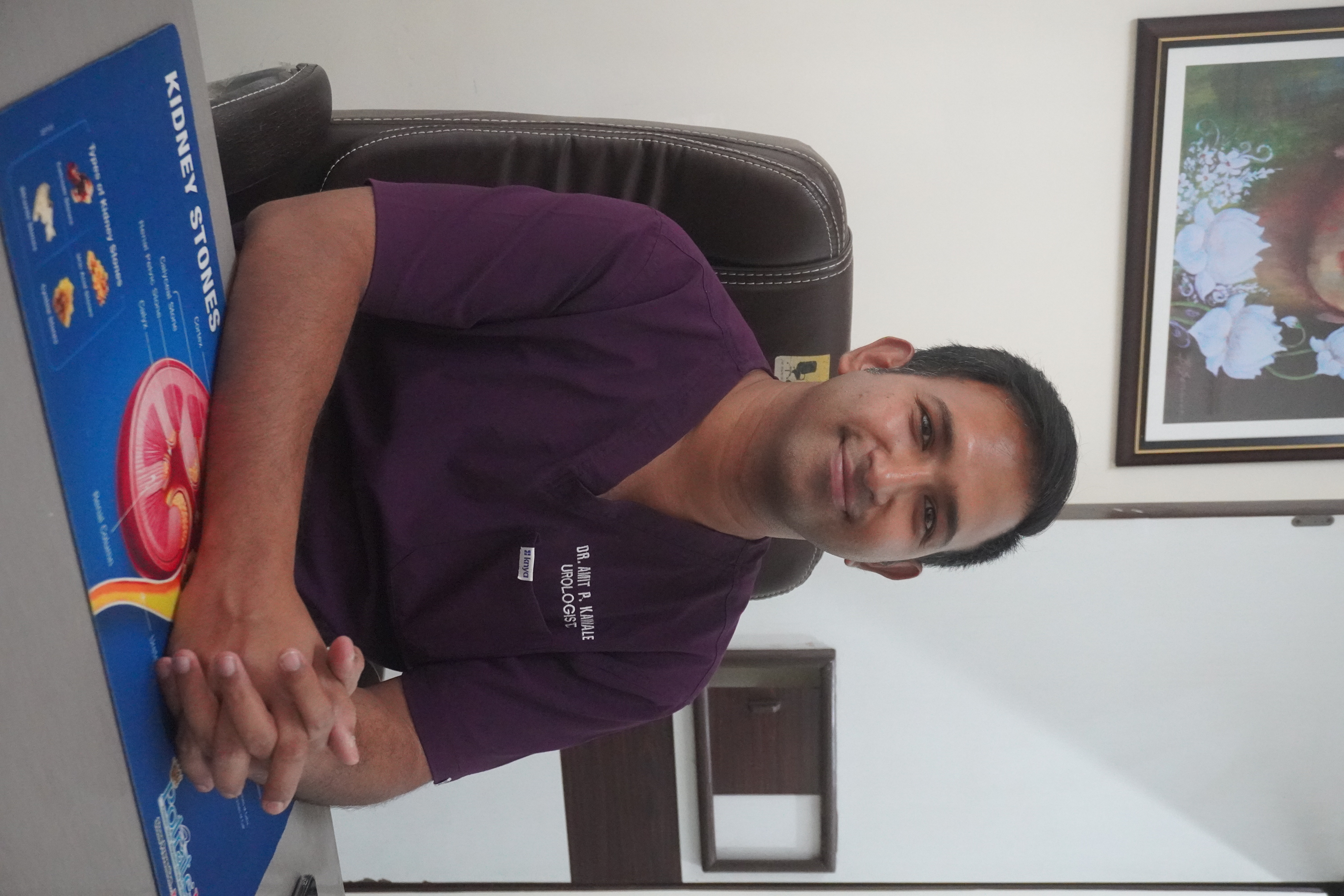
When medical management with alpha-blockers or 5-alpha reductase inhibitors no longer provides relief, surgical intervention is the gold standard for long-term recovery. At Urolife Clinic in Vasai West, senior consultant urologist Dr. Amit P Kawale provides modern endoscopic and laser prostate surgery solutions.
Understanding BPH Surgical Options
1. Transurethral Resection of the Prostate (TURP)
Monopolar or Bipolar TURP has been the traditional gold standard for prostate surgery for decades. Using a resectoscope introduced through the urethra, the surgeon trims away excess obstructive prostate tissue using electric current.
- Best suited for: Small to medium-sized prostate glands (30 to 80 grams).
- Hospital stay: 2 to 3 days with urinary catheter.
- Clinical advantages: Highly proven long-term track record, widely accessible, and cost-effective.
2. Holmium Laser Enucleation of the Prostate (HoLEP) / Laser Prostatectomy
Laser prostate surgery utilizes high-powered Holmium or Thulium laser fibers to vaporize or enucleate enlarged prostate lobes cleanly along their natural anatomical capsule.
- Best suited for: Any size prostate gland, including very large glands (> 80 to 100+ grams) and high-risk cardiac patients on blood thinners.
- Hospital stay: 24 to 48 hours.
- Clinical advantages: Minimal intraoperative bleeding, shorter catheterization time, minimal risk of TUR syndrome, and virtually zero re-operation rate over 10+ years.
Head-to-Head Comparison: TURP vs. Laser Prostatectomy
| Parameter | Bipolar TURP | Laser Prostatectomy (HoLEP) |
|---|---|---|
| Bleeding Risk | Low to Moderate | Very Low (Laser coagulates blood vessels instantly) |
| Catheter Time | 48–72 Hours | 24–48 Hours |
| Suitability for Blood Thinners | Requires stopping medication | Safer option for patients on anticoagulants |
| Prostate Size Limits | Optimal for <80 grams | Effective for any prostate size (even >100g) |
What to Expect During Recovery
Most patients undergoing modern laser prostate procedures at Urolife Clinic experience smooth postoperative recovery:
- Day 1–2: Catheter removal once urine clears, followed by trial of normal voiding.
- Week 1–2: Light walking encouraged. Mild burning during urination is normal as the bladder adapts.
- Week 3–4: Resumption of routine work activities and travel. Heavy lifting (>10 kg) should be avoided for 4 weeks.
When Should You Consult a Urologist?
If you or a family member in Vasai, Virar, or Palghar experience complete urinary retention, recurrent urinary infections, severe burning, or blood in urine, immediate urological assessment is crucial.
Struggling with Enlarged Prostate Symptoms?
Consult Dr. Amit P Kawale, DNB (Urology), MS (Surgery) at Urolife Clinic Vasai (W) for personalized diagnostic evaluation and uroflowmetry testing.
Book Prostate Consultation